Know your child
Little today.
Little today.
Tomorrow,
anything.
Tell us a little about your child to see their exact age (down to the second), the day of the week they were born, the vaccines due at this age, what to feed, their weight on the growth chart, and a few simple notes written for them.
Everything is worked out on this phone or computer. Nothing is saved or sent anywhere.





What you'll see
A small window into your child's world
Six simple things, worked out the moment you enter a date of birth.
- 01
Age, to the second
Years, months and days, plus hours, minutes and seconds, counting live.
- 02
The day they were born
Monday or Sunday? See the weekday, and how long until the next birthday.
- 03
Vaccines at this age
Which vaccines should be done by now, and which ones are coming up next.
- 04
Notes for their stage
Sleep, food, play and safety, plus what to look for on food packets.
- 05
What to feed
Dr. Gaurav's diet chart for the first 2 years: what to give, how much and how often.
- 06
Growth chart
Type today's weight to see it on the WHO growth chart, for children up to 5 years.
Your child today
Your child, at a glance
LiveTime since born, counted from the start of that day
- Months
- Weeks
- Days
- Hours
- Minutes
- Seconds

Stage of growing up
Vaccines
Vaccines at this age
The Indian Academy of Pediatrics (IAP) schedule on Dr. Gaurav's vaccine card, with the same short names. Point at a vaccine, or tap it, to see what it protects against.
Should be done by now
Due now & coming up
On vaccine day
Missed a dose? It is usually not too late to catch up. Call the clinic to book a visit, and Dr. Gaurav will plan the missed doses.
A general guide based on IAP recommendations, not medical advice. Dr. Gaurav will set the exact schedule for your child, including any optional vaccines.
Feeding
What to feed, and how often
From the diet chart Dr. Gaurav gives to parents. Healthy food today, stronger tomorrow.
In an emergency, call your pediatrician or go to the hospital straight away.
Growth
On the growth chart
The same WHO chart as on Dr. Gaurav's card. Doctors use it to check that a child gains weight steadily, month after month.
Source: WHO Child Growth Standards, weight-for-age, birth to 5 years. Each line shows a share of children: on the 50th line, half of all children of that age weigh less. A general guide, not a diagnosis. Nothing you type here is saved.
Food & drinks
Turn the packet over. Read the back.
Many packet foods and drinks sold to children and adolescents are full of sugar, salt and fat. A quick look at the back of the pack tells you what is really inside.
-
Cold drinks
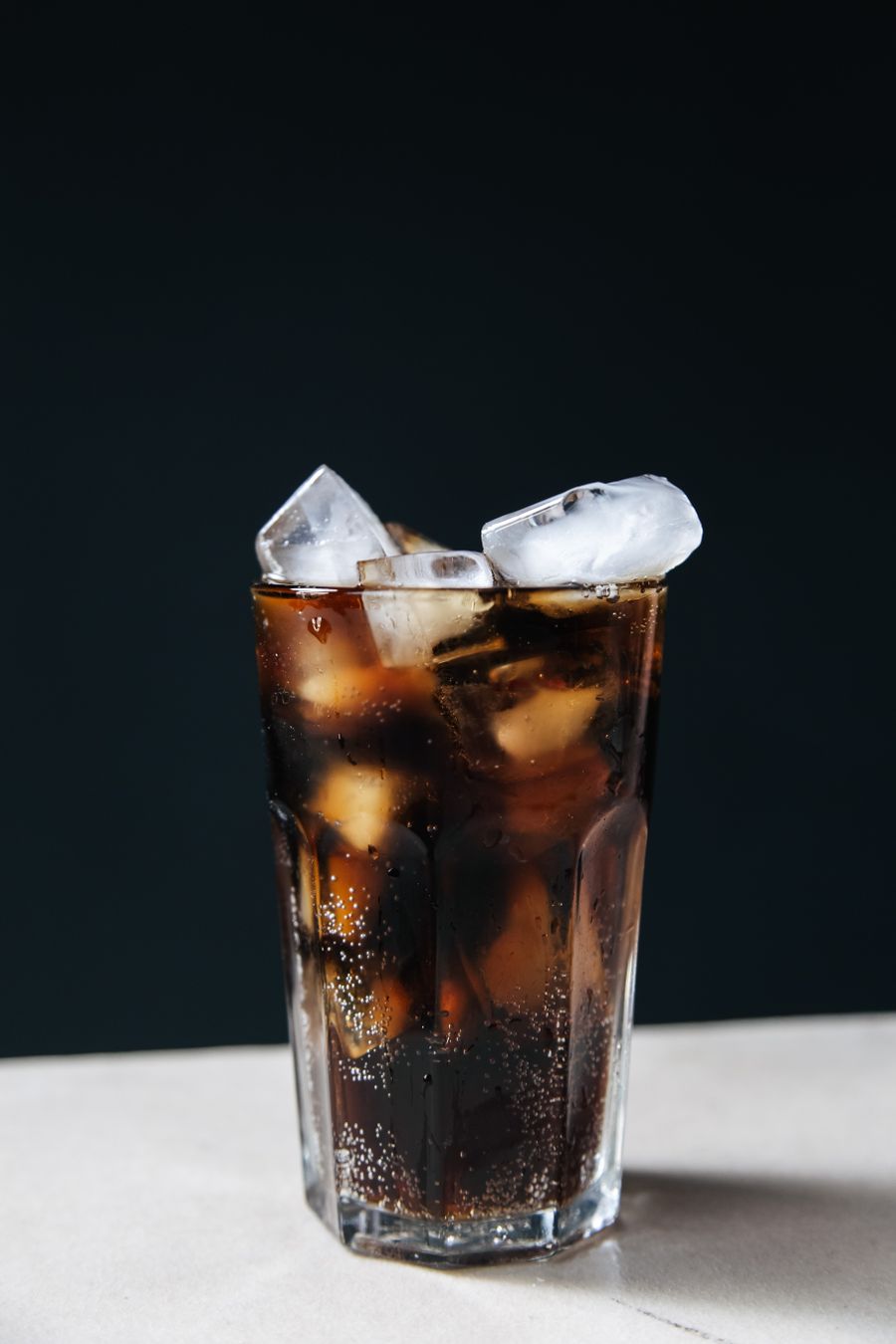
One small bottle, about 7 teaspoons of sugar
A 300 ml cold drink has roughly 32 g of sugar. Children and adolescents should stay under 25 g (6 teaspoons) of added sugar in a whole day, and children under 2 should not have cold drinks at all.
-
Energy drinks
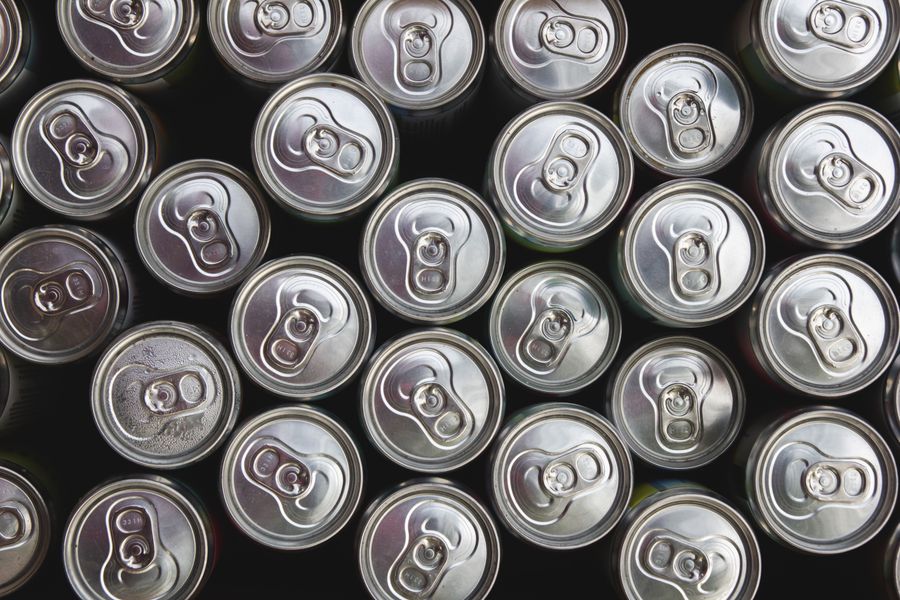
Not for children or adolescents
They are loaded with caffeine and sugar, and can cause a racing heart, poor sleep and anxiety. In India the can itself must say “not recommended for children”. Pediatricians advise none at all.
-
“Health” drinks & packet juices
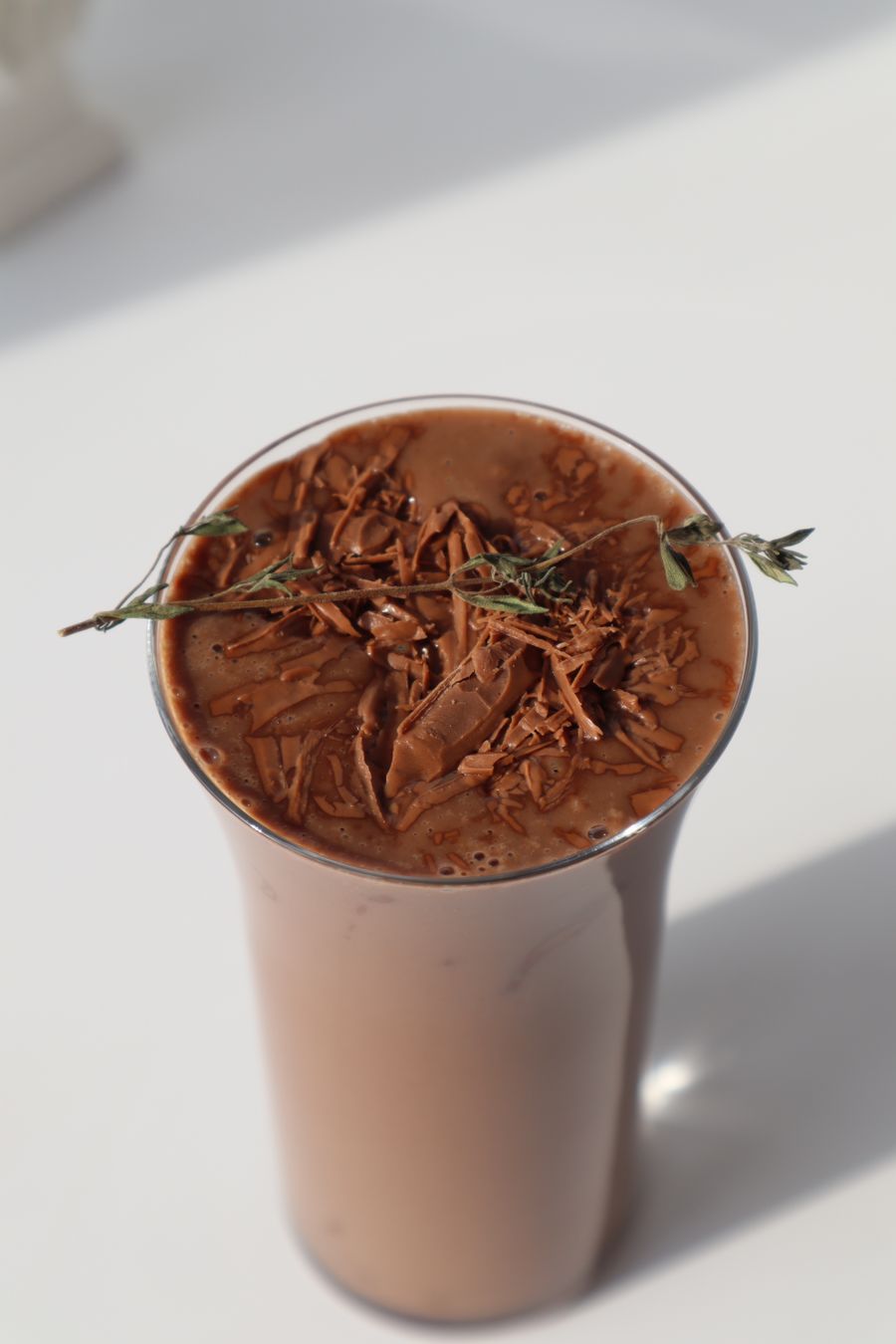
Often more sugar than nutrition
Many chocolate and malt powders and packet fruit drinks are mostly sugar. In 2024 the government told online shops to stop listing them as “health drinks”. Plain milk and whole fruit do the job better.
-
2-minute noodles
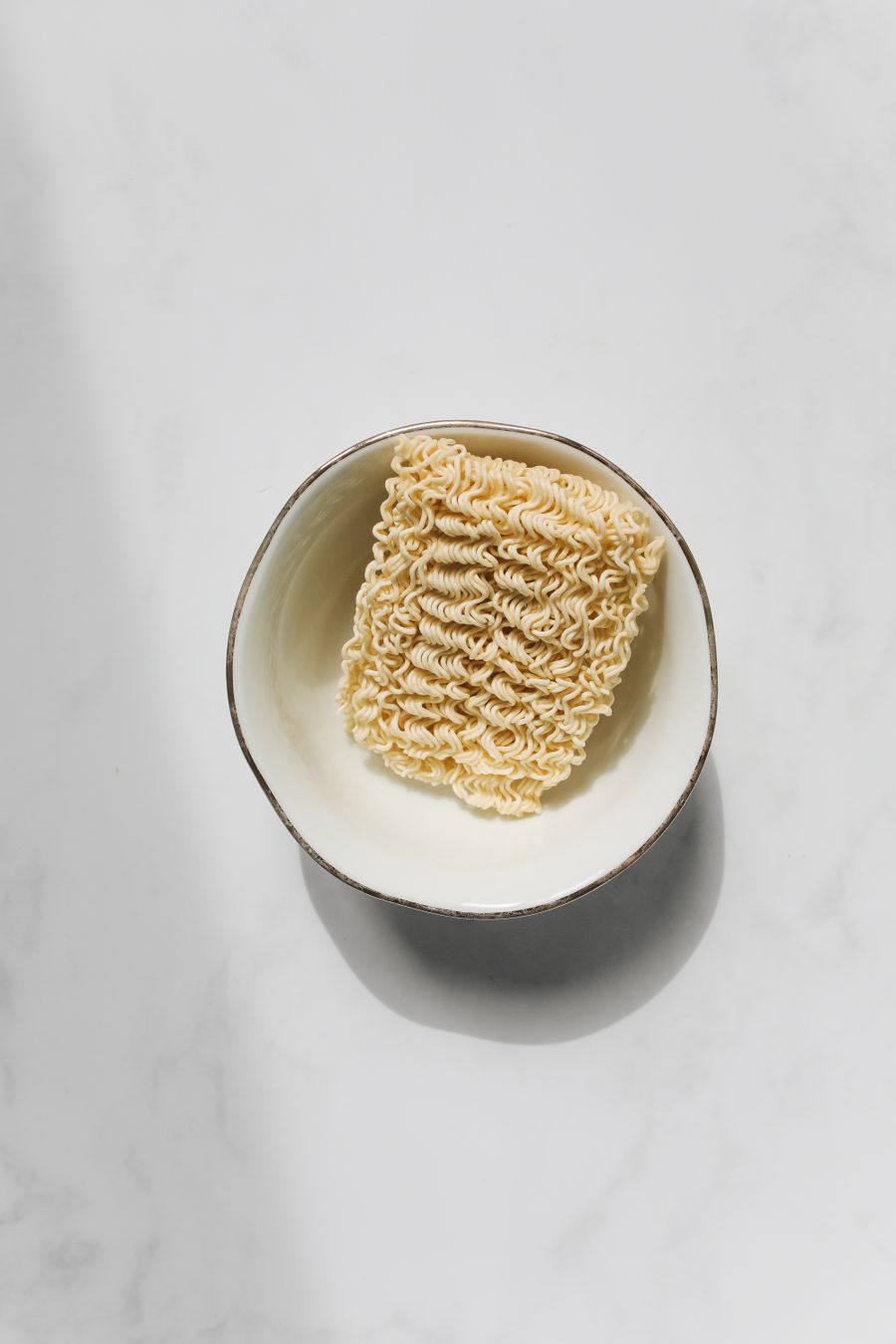
Up to half a day's salt in one packet
One packet can carry 700–1,000 mg of sodium, against a limit of about 2,000 mg for a whole day, with maida and very little fibre or protein. Fine once in a while, not as a daily tiffin.
-
Chips, namkeen & cream biscuits
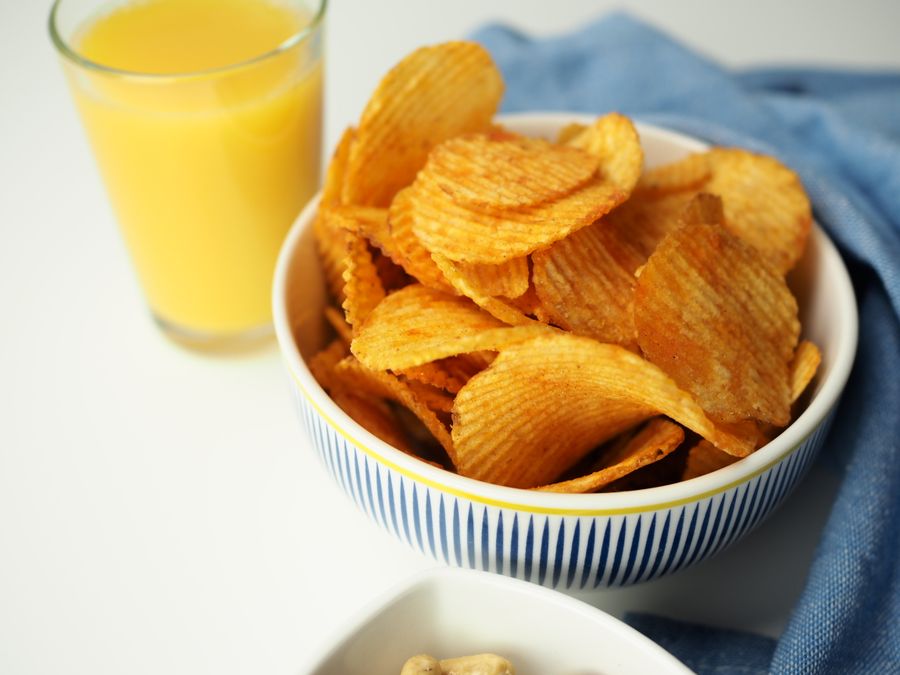
High in salt, sugar and fat
India's dietary guidelines (ICMR-NIN, 2024) advise keeping foods high in fat, sugar and salt to a minimum. Keep them for an occasional treat, and don't use them as a reward.
-
Better choices

Simple swaps that work
Water, nimbu pani with little sugar, plain milk or lassi in place of cold drinks. Fruit, roasted chana, peanuts, a boiled egg or home-made poha in place of packet snacks.
How to read the back of a pack
- Find the sugar line. Look for “Total sugars” or “Added sugars” per 100 g or 100 ml. Every 4 g is one teaspoon.
- Know what is a lot. More than 22.5 g in 100 g of food, or about 11 g in 100 ml of drink, is high. 5 g in 100 g or less is low.
- Read the ingredients in order. They are listed from most to least. If sugar is among the first three, it is a sugary product.
- Spot sugar's other names. Glucose, fructose, sucrose, maltodextrin, liquid glucose, corn syrup and invert syrup are all sugar.
- Check the warnings. “Contains caffeine” and “not recommended for children” are printed for a reason. Check the “best before” date too.
Based on guidance from the American Heart Association, the American Academy of Pediatrics, FSSAI, the ICMR-NIN Dietary Guidelines for Indians (2024) and the NHS. General information, not a diet plan: ask Dr. Gaurav what is right for your child.
Little notes for this stage
Dream big
Whatever they dream of becoming, it begins with a healthy childhood.
- Doctor
- Engineer
- Superhero
- Astronaut
- Leader
- Champion